

Interior Detailing Only
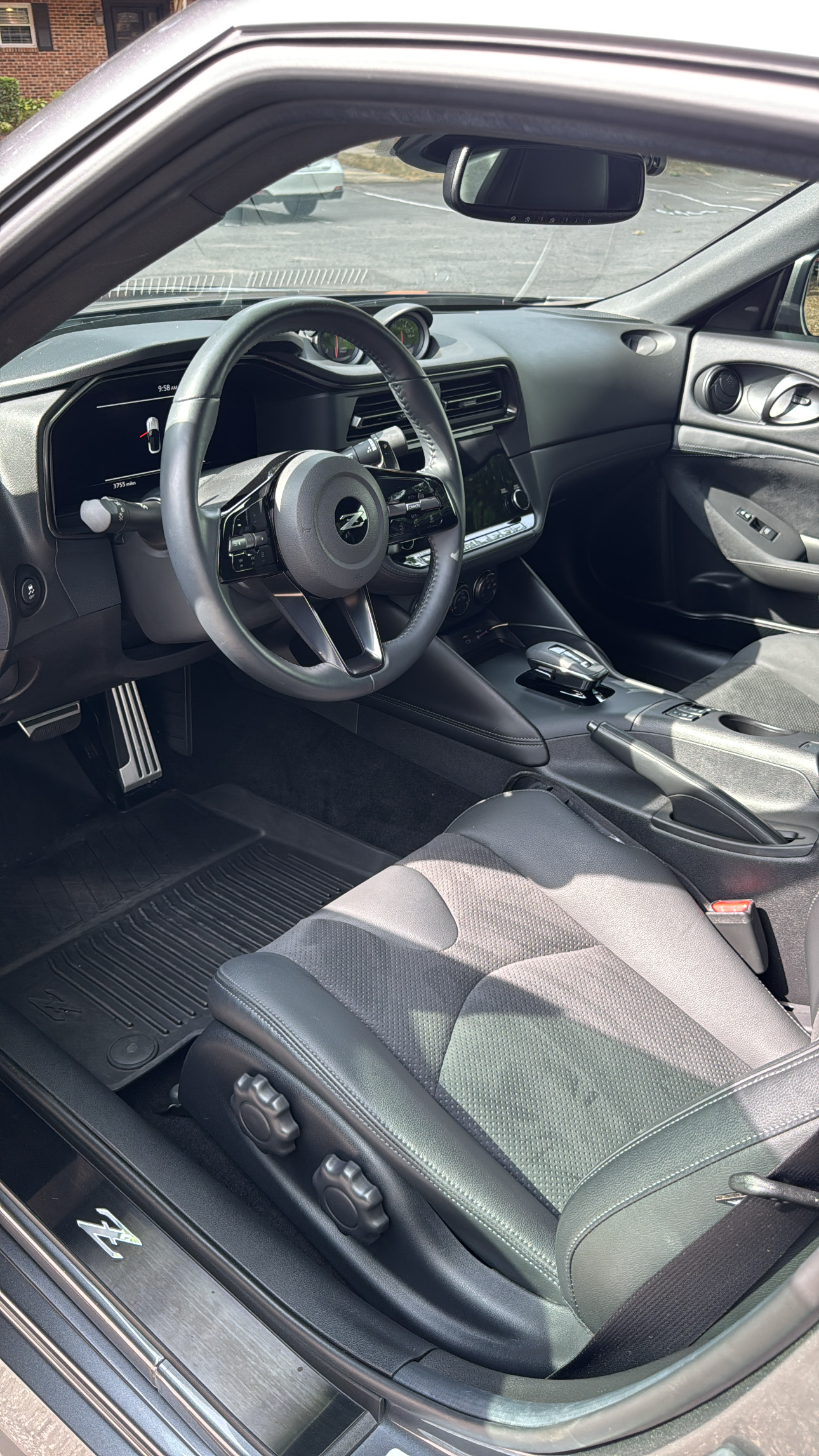
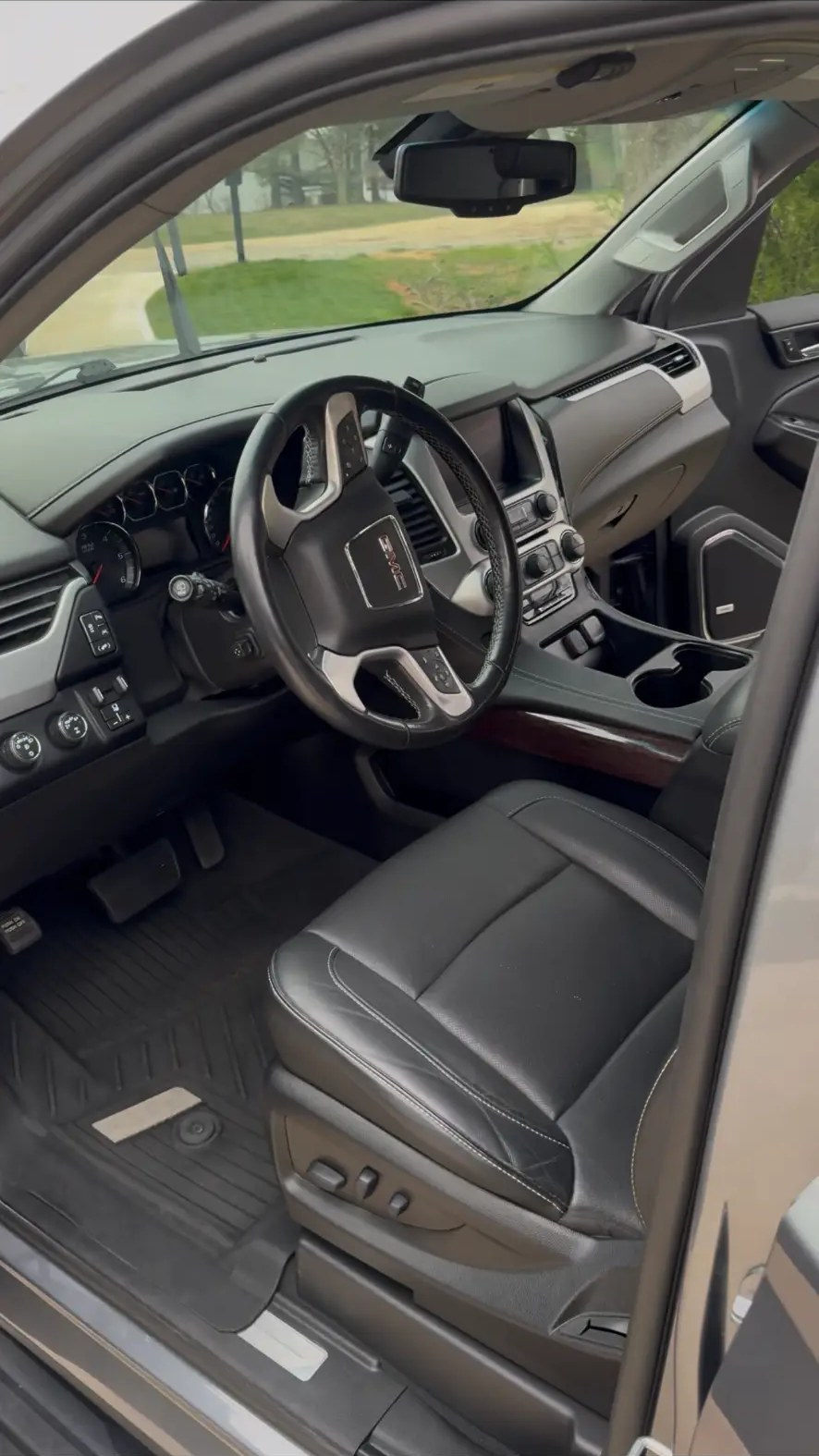
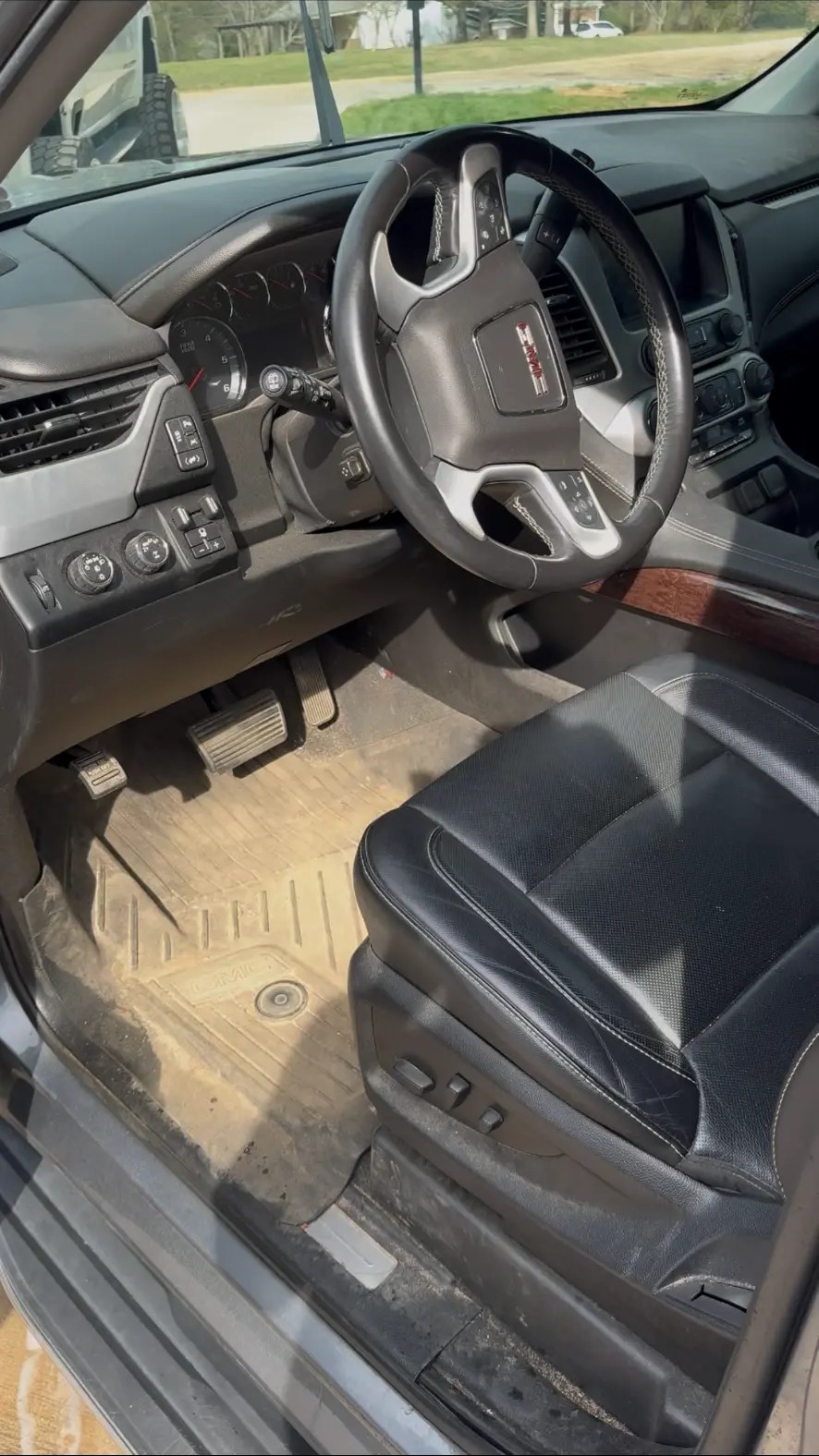
A full reset of every surface inside the cabin.
$199starting at
- Deep vacuum of carpets, seats and trunk
- Steam cleaning and stain extraction
- Leather and plastic cleaned and conditioned
- Glass, vents and door jambs detailed
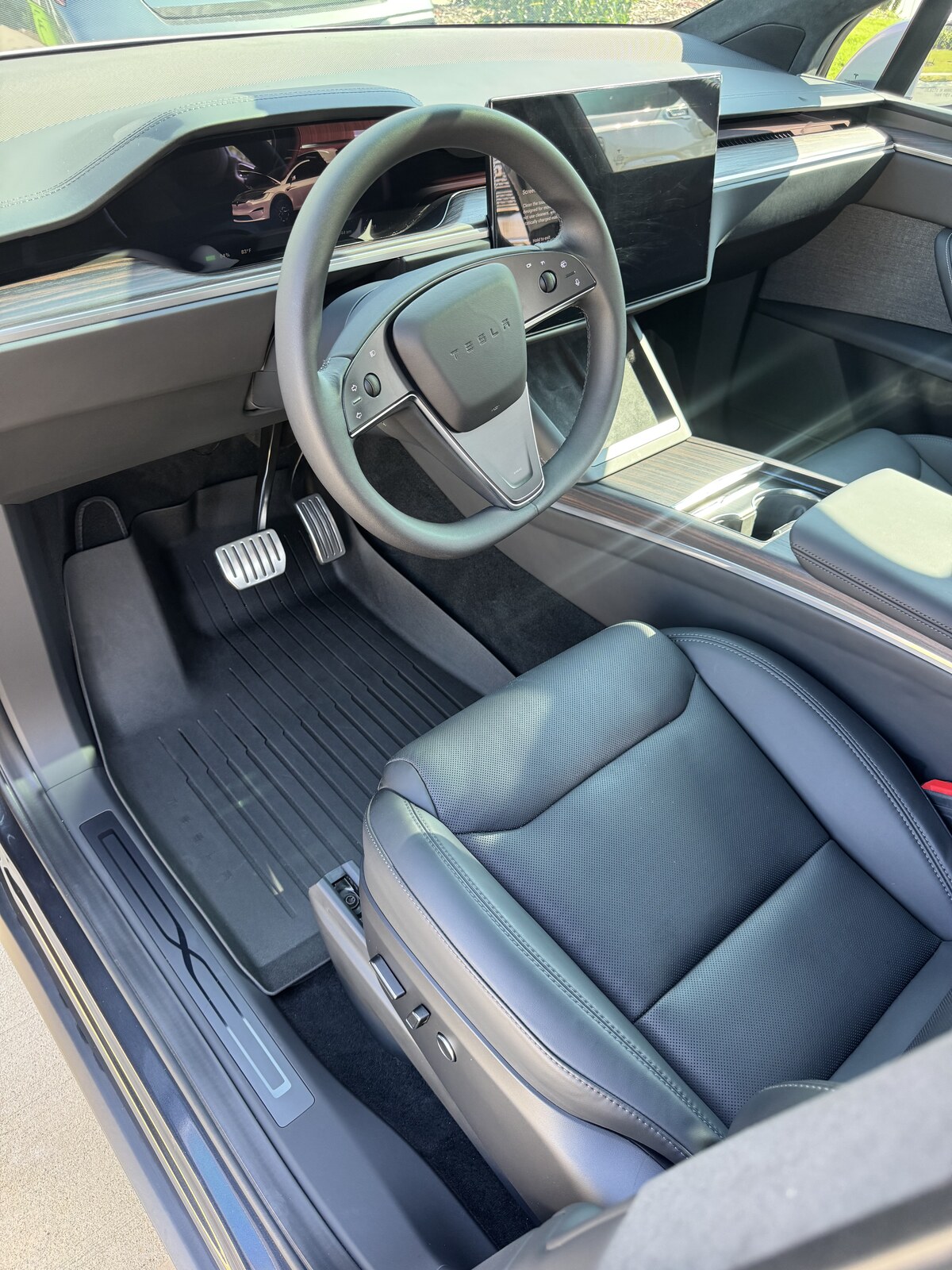
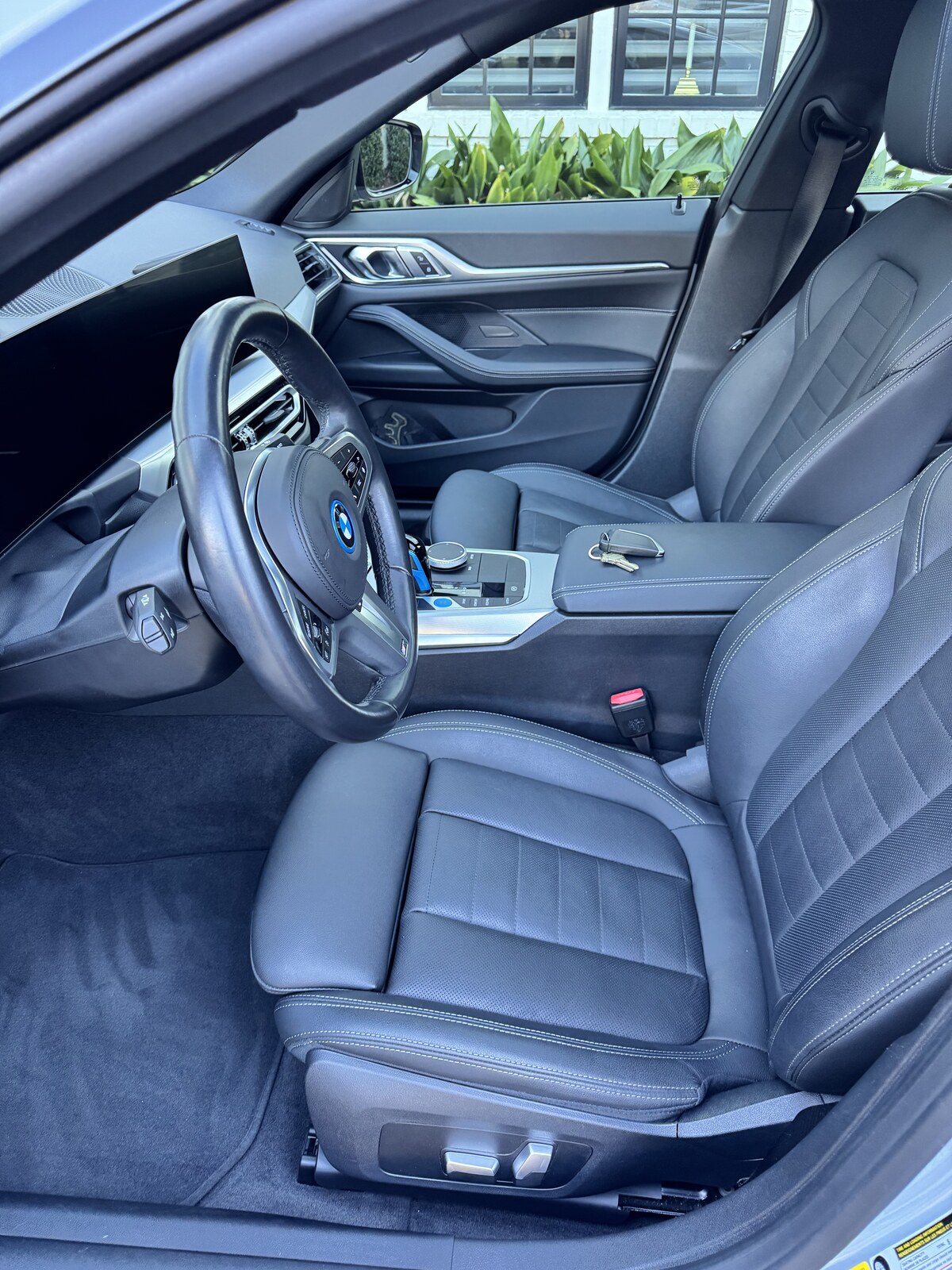
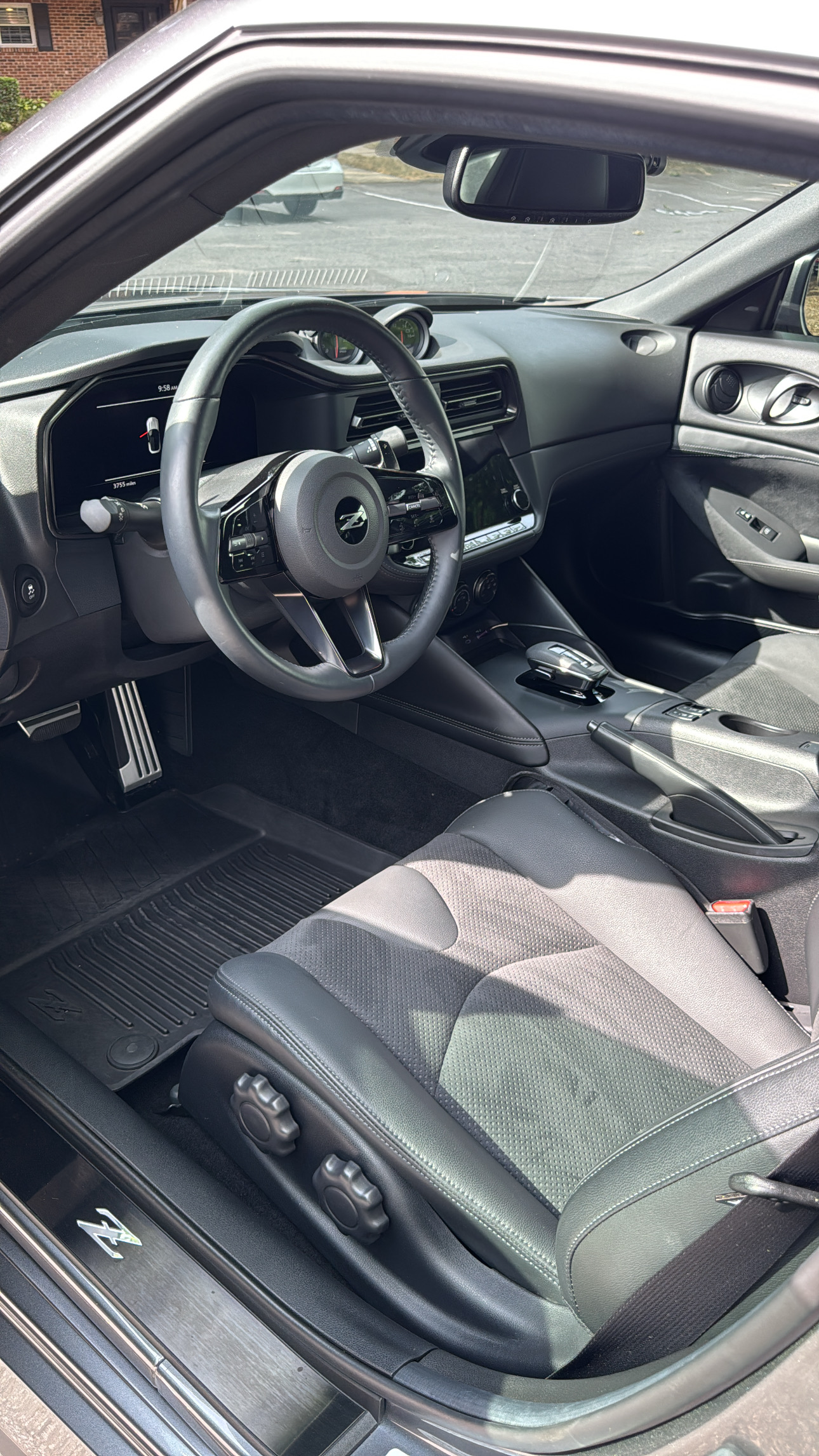
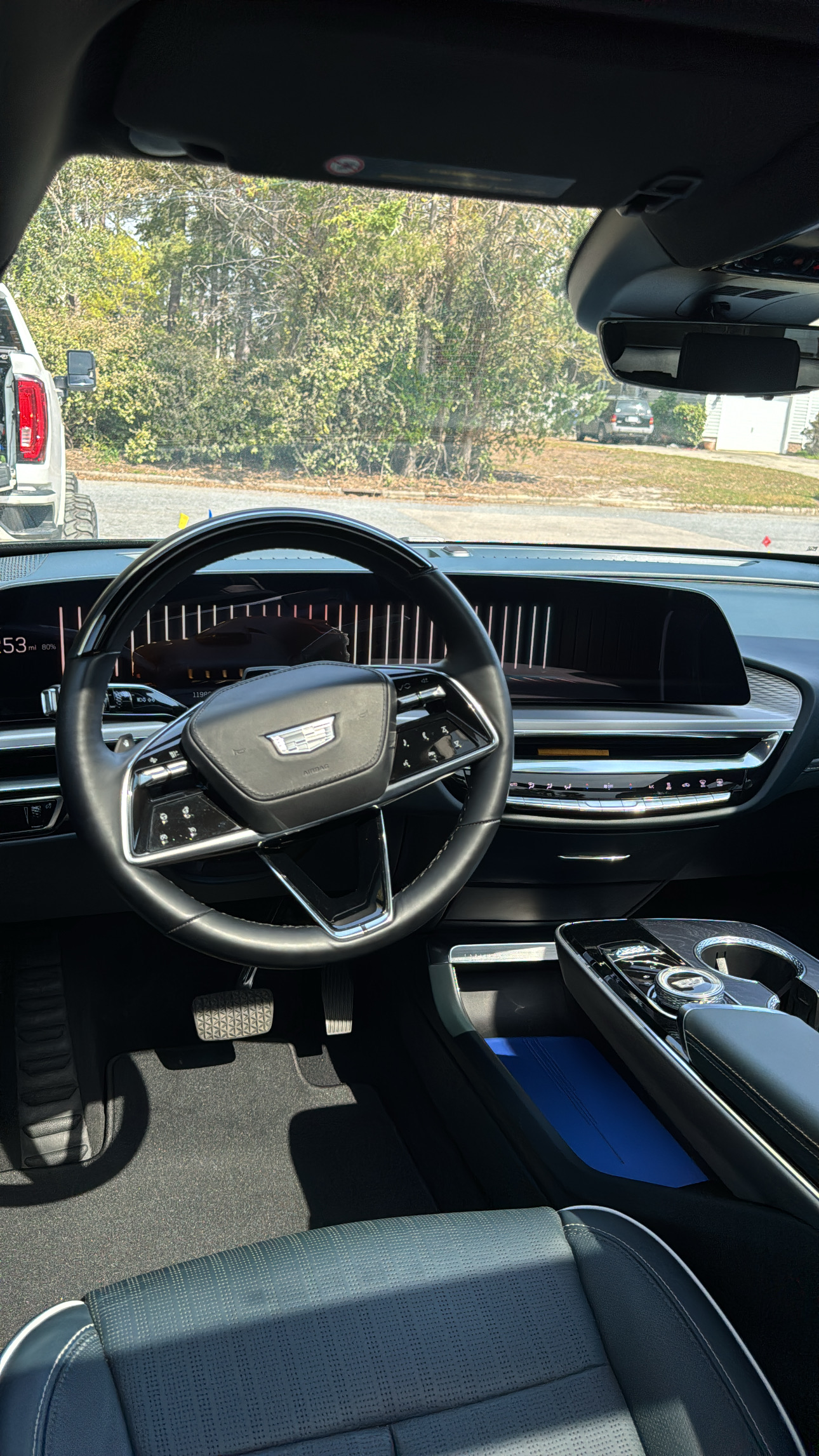
Before and after on real customer vehicles, shot in our bay under the same lighting we inspect under.
A full reset of every surface inside the cabin.
Inside and out, start to finish, in one visit.
Hand wash, decontamination and protection outside.
Exterior detail plus a gloss-boosting polish stage.
Multi-stage correction that removes defects for good.
Long-term protection with serious gloss and slickness.
Keep the finish looking detailed all year.
Final pricing determined by vehicle size and condition. Reach out for exact quotes.
A North Carolina summer turns untinted glass into a greenhouse. The cabin bakes, the air conditioning runs harder and longer, and the dashboard, seats and trim take a daily dose of UV that fades color and dries out leather and vinyl years before it should.
Then there is glare — low winter sun on the drive home and headlight glare at night are both genuine safety issues, not just annoyances. And old tint has its own problem: as the adhesive breaks down, film turns purple, bubbles and delaminates, at which point it blocks less heat than it did and makes the rear glass difficult to see through.
It is a bad DIY job. Film has to be cut and heat-shrunk to the curve of the glass, applied in a dust-controlled space, and squeegeed without trapping water or creasing. Old film removal is worse — the adhesive fights back, and defroster lines on the rear glass are easy to destroy in the process.
Tint quality has less to do with darkness than most people expect. What determines whether a car actually stays cooler is the film's heat rejection and UV blocking, and those vary hugely between films that look identical from the outside. A very dark cheap film can reject less heat than a lighter quality one.
So the first conversation is about what you want from it — heat, glare, privacy, UV protection for the interior, or all four — and what North Carolina allows on each window. We work to the legal VLT limits for your vehicle type, and we will explain what those are rather than letting you find out at an inspection.
We go through the options with you: film type, visible light transmission, heat rejection and how each looks on your paint color. North Carolina sets minimum VLT percentages and treats windshields, front sides and rear glass differently, and we install to those limits. If you want something outside them, we will tell you no and explain why.
Existing tint has to come off completely before new film goes on, adhesive included. On rear glass this is the delicate part, because the defroster grid sits on the inside surface and careless removal takes the lines with it. We remove slowly with heat and the right solutions rather than fast with a blade.
Every window is cleaned inside and out and the top edge is worked with the glass lowered slightly, since that strip is where contamination hides and causes edge lift later. Film is cut to the window, heat-shrunk to match the curve of the glass, then applied and squeegeed out to remove water and air.
New film needs curing time before the windows are lowered, and we tell you how long for your install and weather — going down early is the most common cause of peeled edges. We inspect each window under light for contamination or creasing, and anything that is not clean gets pulled and redone.
You will see a slight haze or small water pockets for the first days after installation while the film cures. That is normal and it clears on its own. If a pocket, a lifted edge or contamination is still there after the cure period, contact us and we will look at it — a film that is not sitting right is something to fix, not something to live with. Here is how the appointment runs.
Pulled live from our Google Business Profile.
We install within North Carolina's VLT rules and explain them before you choose a film, so your tint is not something you have to worry about at inspection time.
We talk about heat and UV performance first, because a very dark cheap film can reject less heat than a lighter quality one. The goal is a cooler cabin, not just a look.
Old film comes off rear glass slowly with heat and solution rather than a blade. Ruined defroster grids are the classic cheap-removal outcome and they are expensive to fix.
Each window is inspected under light for contamination and creasing. If one is not right, we pull the film and do it again rather than hoping you will not notice.
We confirm the vehicle, which windows you want done, and the film's heat rejection and VLT within North Carolina limits, then quote the job before booking.
Existing tint and adhesive are removed with heat and solution, working carefully around rear defroster lines rather than scraping them off with a blade.
Glass is cleaned inside and out including the hidden top edge, then film is cut and heat-shrunk to match the curve of each window before it goes on.
Film applied and squeegeed to remove water and air, each window checked under light, then we tell you how long to leave the windows up while it cures.
Tint pricing depends on how many windows are being done, the size and curvature of the glass, the film you choose, and whether old film has to be removed first. Removal is real labor — sometimes more than the installation — so a car with failing purple tint costs more than one with bare glass.
Because those factors vary by vehicle, we quote each job individually rather than publishing a single number. Tell us the year, make and model and which windows you want, and you will have a price the same working day covering film, installation, cleaning and the final inspection.
Old film removal is quoted separately and clearly, so you can see what you are paying for rather than finding it buried in a total. We will also tell you honestly when the tint you already have is in good condition and does not need replacing yet.
Glass, dash and trim cleaned properly before new film goes on, which makes for a better install.
See the full interior detailing serviceThe other UV casualty on most cars — yellowed lenses sanded, polished and sealed for clear night vision.
Read about headlight restorationInside and out in one booking, a common pairing when a car is being prepared for sale or a road trip.
Explore full car detailingEvery interior service on this page is available mobile at your home or workplace, or in our Raleigh shop, across Raleigh, Cary, Wake Forest, Knightdale, Wendell, Zebulon, Morrisville, Youngsville, Garner.
Still deciding? Send a few photos for a written window tint quote or call 919-939-3930.
Tell us your vehicle and windows and we will quote your tint today.
Raleigh, NC and the surrounding Triangle