

Interior Detailing Only
A full reset of every surface inside the cabin.
$199starting at
- Deep vacuum of carpets, seats and trunk
- Steam cleaning and stain extraction
- Leather and plastic cleaned and conditioned
- Glass, vents and door jambs detailed
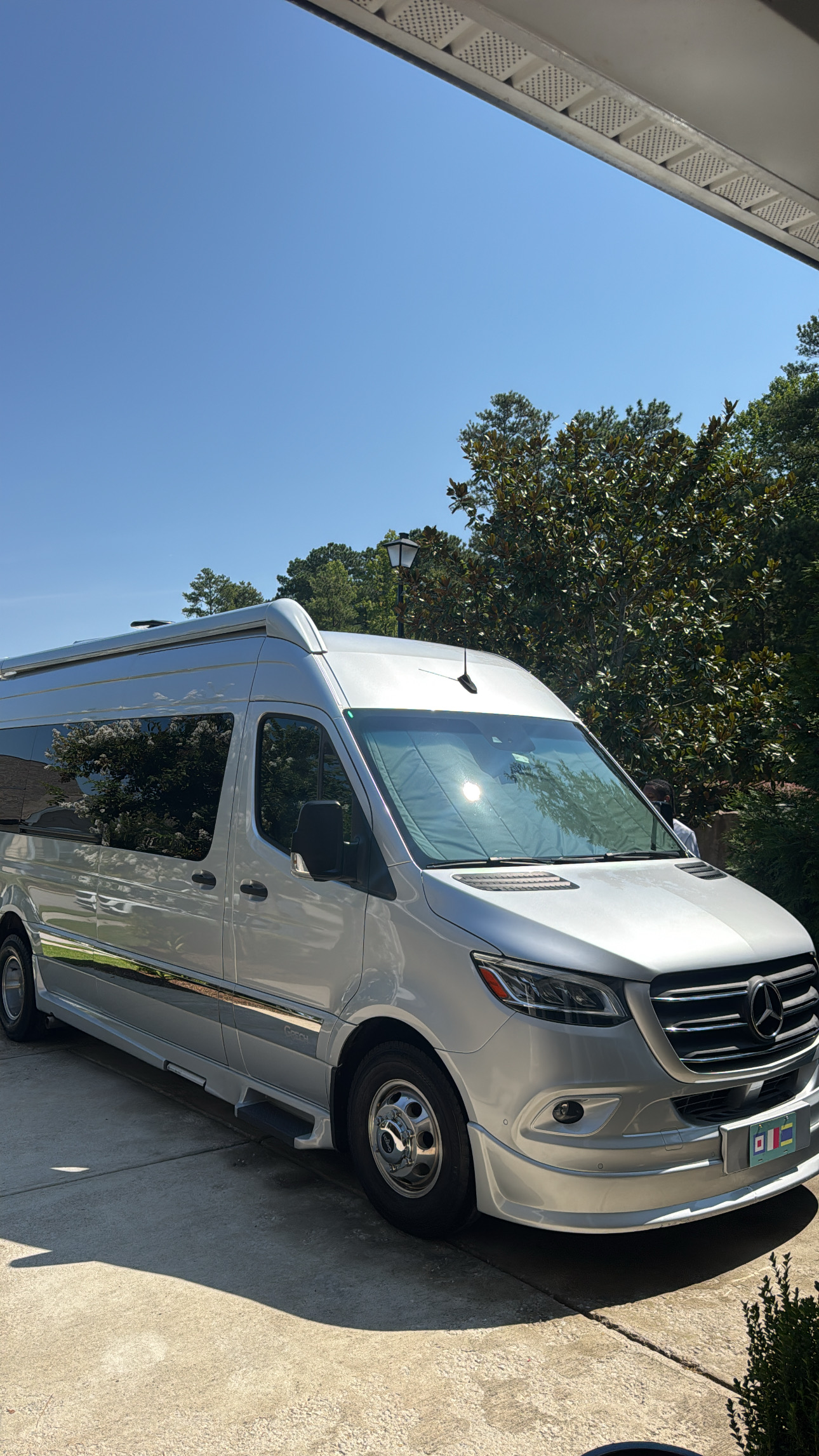
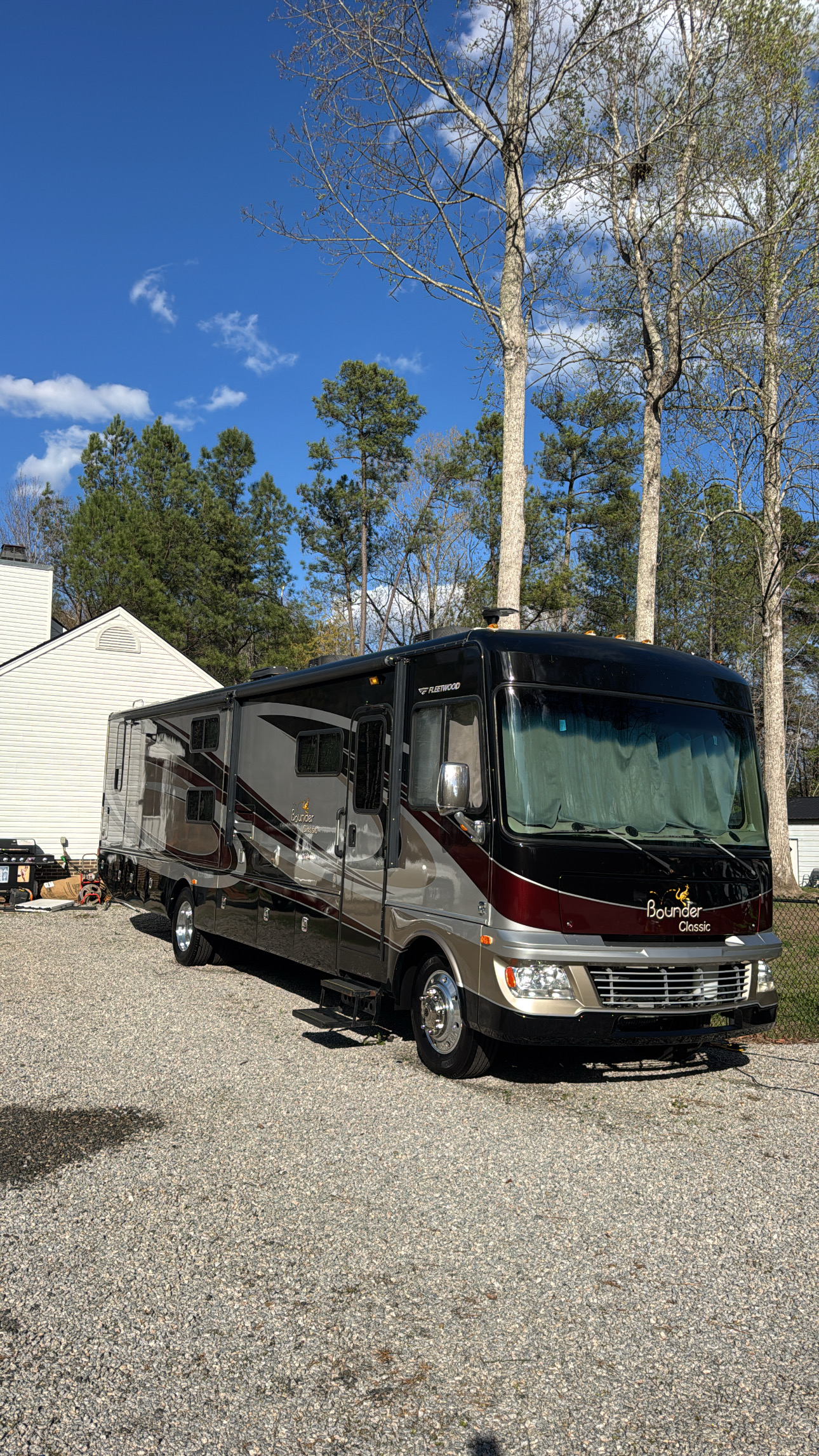
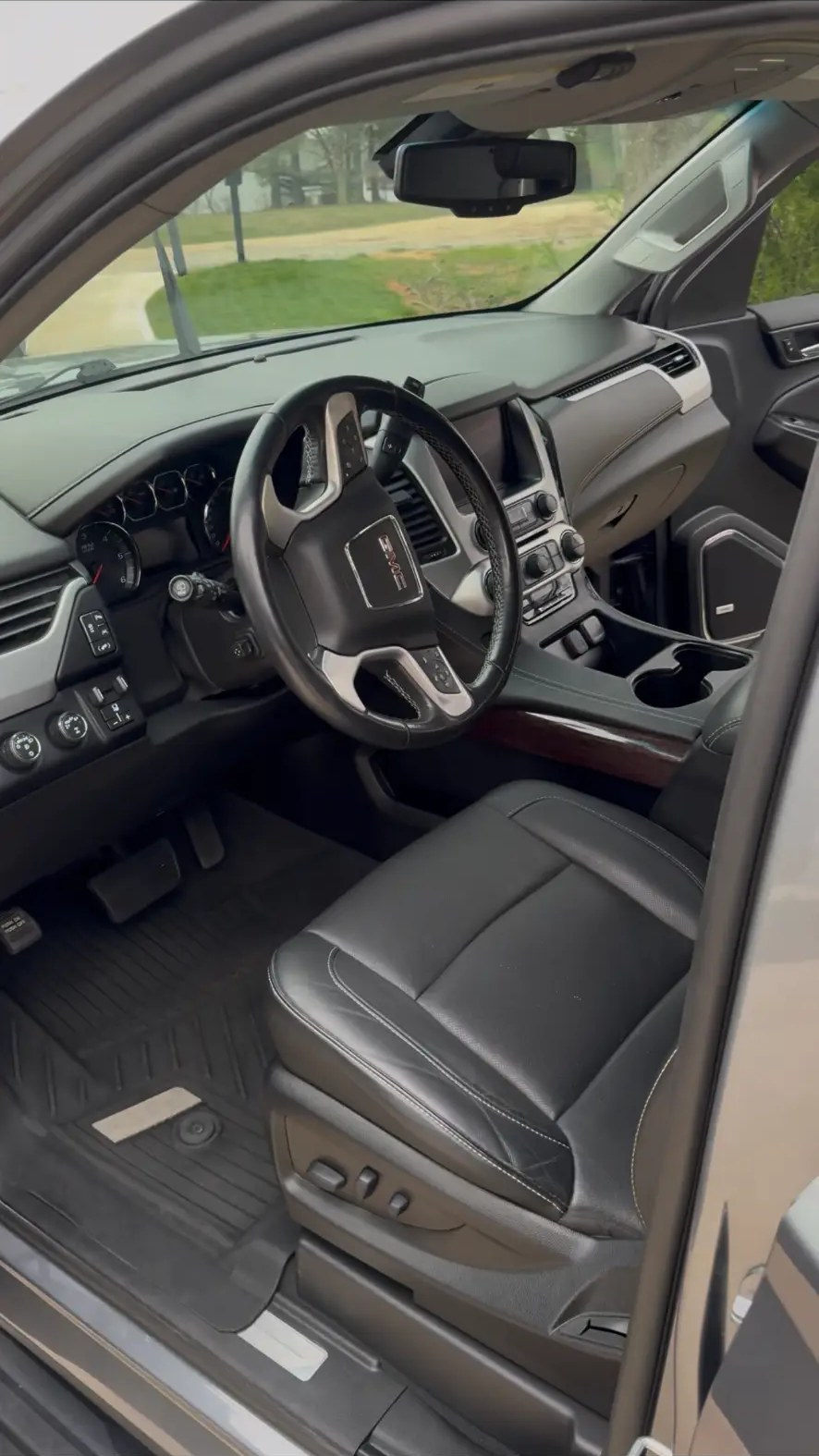
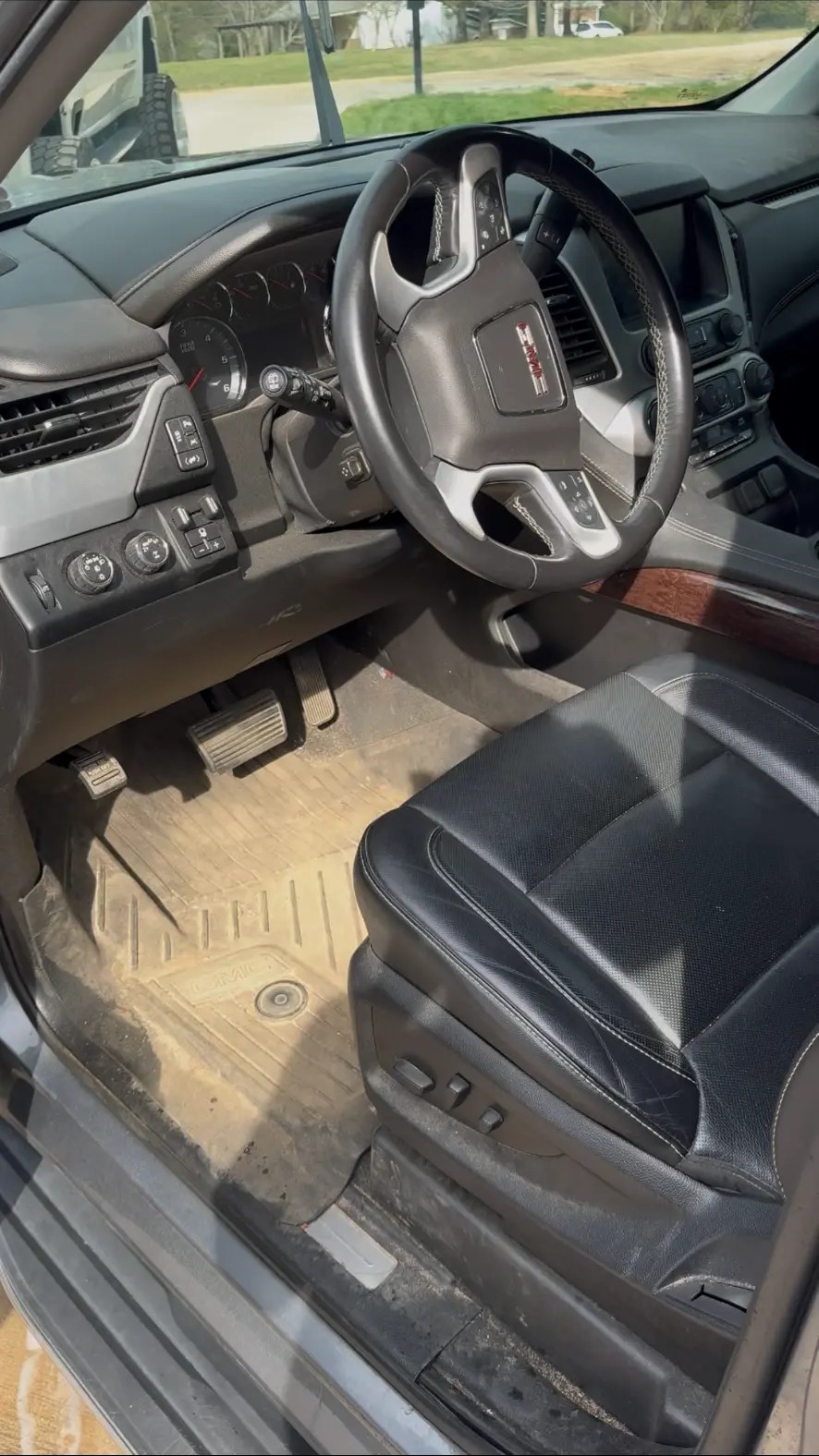
Before and after on real customer vehicles, shot in our bay under the same lighting we inspect under.
A full reset of every surface inside the cabin.
Inside and out, start to finish, in one visit.
Hand wash, decontamination and protection outside.
Exterior detail plus a gloss-boosting polish stage.
Multi-stage correction that removes defects for good.
Long-term protection with serious gloss and slickness.
Keep the finish looking detailed all year.
Final pricing determined by vehicle size and condition. Reach out for exact quotes.
Live reviews pulled straight from our Google Business Profile, filtered to RV and camper work where filtering is supported.
Rain does not arrive on the sidewalls. It lands on the roof, picks up whatever has broken down up there, and runs off at the edges, along the awning rail, and around every roof fixture. What it carries down with it dries onto the sidewall in vertical lines, always in the same places, always starting under the same seams and vents. Scrubbing the walls removes the deposit and does nothing about the source, which is why the streaks come back with the next serious rain.
Sunlight is doing the other half of the damage. Fiberglass sidewalls chalk under ultraviolet the same way a boat hull does, and once the surface is porous, runoff stops sitting on top of it and starts soaking in.
An RV is several different surfaces on one vehicle, and each of them wants something different. Fiberglass sidewalls oxidize and can be machine corrected. Decals and graphics sit on top of that fiberglass and will not survive the same treatment. Most roofs are a flexible membrane that has its own rules about what may touch it. Awnings are fabric. Slide seals are rubber that dries out and then leaks. Treating the whole unit as one large painted box is how expensive mistakes happen.
We work where the RV is stored, at home or at a lot, with our own water and power, which matters more here than anywhere else in what we do: an RV cannot go through a wash and does not fit in a bay.
Work starts on top, because everything up there ends up running down the sides. The roof is cleaned so the material feeding the streaks is removed at its source rather than chased down the walls afterward. Roof membranes vary and the cleaner that suits one is wrong for another, so identifying what is up there comes before anything is applied.
With the source dealt with, the sidewalls are washed and the streaking is treated. Where the fiberglass has chalked, it is machine corrected to bring the surface back rather than cleaned repeatedly to no lasting effect. Decals are the constraint on the whole panel: they are thinner than the fiberglass around them and they are what limits how aggressively a wall can be worked.
The front of a motorhome, or the front cap of a towable, is a different problem from the rest of the unit and it is the area most often left half done. It takes the full force of everything the road throws up at highway speed, so what accumulates there is bug residue and road film baked on by engine heat and sun rather than roof runoff. It is also usually the most curved and most decal-heavy panel on the vehicle. It gets worked separately from the flat sidewalls, because the soil is different, the surface is different and the decal density is highest exactly where the scrubbing pressure would otherwise be greatest.
Awning fabric, slide-out toppers and the seals around every slide are cleaned and inspected while the unit is open. Dried, cracked seals are the most expensive small problem on an RV, because what they let in is water.
Corrected fiberglass is bare and starts chalking again from the first sunny stretch, so protection goes on afterward to help the sidewalls hold their finish through a Carolina summer.
What this service does not cover is sealant and caulk replacement around roof seams and fixtures. That is RV maintenance rather than detailing, and while we will tell you if something up there looks like it needs attention, resealing a roof is work for an RV service shop. Payment is collected after the work is finished and you have walked around it.
The streaks are runoff. Cleaning the walls without cleaning what feeds them buys you until the next serious rain, and every RV owner who has tried it already knows that.
Graphics are thinner than the fiberglass around them and they are what decides how hard a sidewall can be worked. We work to that limit rather than through it.
We arrive with our own water and power, so the RV never has to be moved. Tell us which lot and how to get in, and it gets done where it sits.
Ask anyone else quoting you whether they carry business insurance before someone is working at height on a unit worth what yours is worth.
Photographs come through while we work, including the roof, which is the part you cannot easily check yourself.
Tell us the length and class and send pictures of the sidewalls, especially wherever the streaking is worst. That is enough for us to quote and to plan the roof work.
Home, driveway or storage lot. We bring our own water and power, so nothing needs arranging beyond gate access if the lot requires it.
The roof is identified and cleaned before anything happens to the walls, so the material causing the streaking is removed at its source rather than chased downward.
Walls are washed and streaking is treated, and chalked fiberglass is machine corrected up to the limit the decals allow, then protected.
Awning fabric, toppers and slide seals are handled while the unit is open. We photograph the finished RV, roof included, and collect payment once you have seen it.
RV detailing is quoted per unit, and length is only the starting point.
Class matters as much as length does, because a fifth wheel, a Class A and a pop-up have very different amounts of sidewall, roof and trim for the same number of feet. After that it is condition, and specifically two things: how far the fiberglass has chalked, and how long the streaking has been left. Streaks that have been sitting through several seasons have etched into porous sidewall and take considerably longer than streaks from this spring.
What a quote covers: the roof, the sidewalls including streak treatment and correction to the level the decals allow, protection, and the awning and seal work.
What it does not cover: sealant and caulk replacement around roof seams, which is RV maintenance rather than detailing.
Send the length, the class and photos of the worst streaking, and we will quote the actual unit.
Gelcoat correction, waterline stains, vinyl and canvas, done at the trailer. The other asset that spends its life outdoors in the sun.
See what boat detailing coversInterior and exterior on the tow vehicle, in one visit at your address, while the RV is being handled.
See what a full detail coversScheduled detailing on a recurring basis, so streaking and chalking never get the run of a whole season.
See how maintenance plans workWe bring our own water and power to wherever the RV is kept, at home or at a storage lot, across the Triangle, including Raleigh, Cary, Wake Forest, Knightdale, Wendell, Zebulon, Morrisville, Youngsville, Garner.
Still deciding? Send a few photos for a written rv detailing quote or call 919-939-3930.
Send the length and a photo of the worst sidewall. We come to the RV, wherever it is parked.
Raleigh, NC and the surrounding Triangle